Produkter
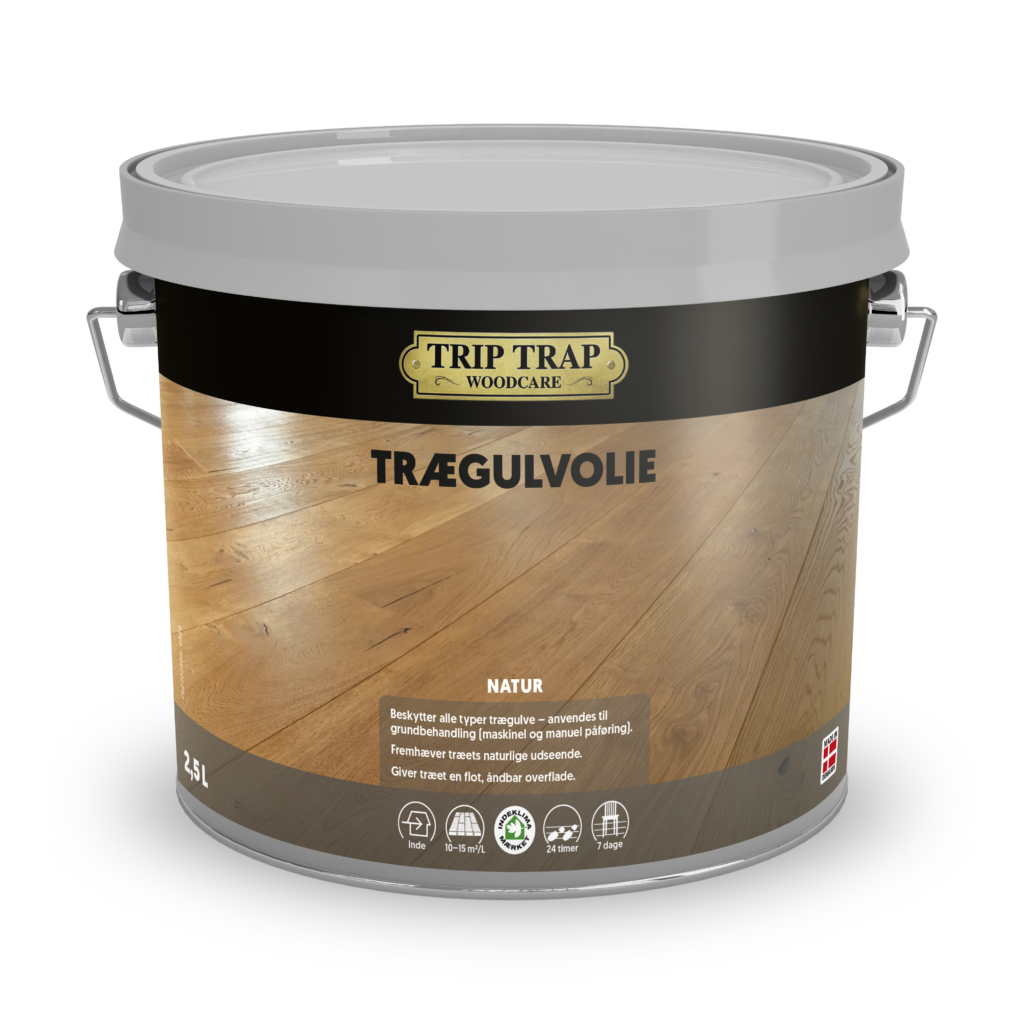
Trægulvolie

Trægulvolie

Varenummer: 522607 522007 522025 522050 522610 522625 522650

Beskytter alle typer trægulve

  • Anvendes til grundbehandling
  • Fremhæver træets naturlige udseende
  • Til manuel-og maskinel påføring
  • Giver træet en flot, åndbar overflade
  • Indeklima godkendt

Farver

*Træprøven er vist på eg

Natur
Ekstra Hvid

Emballagestørrelse

Certificeringer

Emission Class A+
The French labeling system is a mandatory classification of materials, such as floor treatment products, based on their VOC emissions to indoor air. A+ is the highest rating, indicating improved indoor air quality with very low emissions.
Bio-Based ASTM 6866
Biobased Carbon Content ASTM D6866-22 is an international standard method utilized for product testing. The result is reported as % Biobased Carbon. This indicates the percentage carbon from ‘natural’ (plant or animal by-product) sources.
Danish Indoor Climate Labelling
Danish Interior Climate Labelling is a voluntary labelling system for products and materials which can document the effect of degassing. Indoor climate labelled materials are a natural component in sustainable construction, where a good indoor air quality contributes to social sustainability.
EN 71-3
European standard ensuring that materials do not release toxic substances in amounts harmful to children. Particularly relevant for materials such as toys, kitchen utensils, worktops and furniture.
DiBt
DIBt is a German institute that tests and issues technical approvals for building materials.The aim is to improve the working climate for floor installers whilst ensuring a safe indoor air quality for the final consumer.
DiBt
DIBt is a German institute that tests and issues technical approvals for building materials.The aim is to improve the working climate for floor installers whilst ensuring a safe indoor air quality for the final consumer.
Danish Indoor Climate Labelling
Danish Interior Climate Labelling is a voluntary labelling system for products and materials which can document the effect of degassing. Indoor climate labelled materials are a natural component in sustainable construction, where a good indoor air quality contributes to social sustainability.
DIN EN 16516  emission test
Bio-Based ASTM 6866
Biobased Carbon Content ASTM D6866-22 is an international standard method utilized for product testing. The result is reported as % Biobased Carbon. This indicates the percentage carbon from ‘natural’ (plant or animal by-product) sources.
Environmental Product Declaration (EPD)
Environmental Product Declaration (EPD) supports greater transparency and documented sustainability. EPDs present verified data on a product’s environmental impact throughout its entire life cycle, based on recognized standards and third-party verification.
Emission Class A+
The French labeling system is a mandatory classification of materials, such as floor treatment products, based on their VOC emissions to indoor air. A+ is the highest rating, indicating improved indoor air quality with very low emissions.
EN 71-3
European standard ensuring that materials do not release toxic substances in amounts harmful to children. Particularly relevant for materials such as toys, kitchen utensils, worktops and furniture.
DiBt
DIBt is a German institute that tests and issues technical approvals for building materials.The aim is to improve the working climate for floor installers whilst ensuring a safe indoor air quality for the final consumer.
Danish Indoor Climate Labelling
Danish Interior Climate Labelling is a voluntary labelling system for products and materials which can document the effect of degassing. Indoor climate labelled materials are a natural component in sustainable construction, where a good indoor air quality contributes to social sustainability.
DIN EN 16516  emission test
Bio-Based ASTM 6866
Biobased Carbon Content ASTM D6866-22 is an international standard method utilized for product testing. The result is reported as % Biobased Carbon. This indicates the percentage carbon from ‘natural’ (plant or animal by-product) sources.
Environmental Product Declaration (EPD)
Environmental Product Declaration (EPD) supports greater transparency and documented sustainability. EPDs present verified data on a product’s environmental impact throughout its entire life cycle, based on recognized standards and third-party verification.
Emission Class A+
The French labeling system is a mandatory classification of materials, such as floor treatment products, based on their VOC emissions to indoor air. A+ is the highest rating, indicating improved indoor air quality with very low emissions.
EN 71-3
European standard ensuring that materials do not release toxic substances in amounts harmful to children. Particularly relevant for materials such as toys, kitchen utensils, worktops and furniture.
DIN EN 16516  emission test
Environmental Product Declaration (EPD)
Environmental Product Declaration (EPD) supports greater transparency and documented sustainability. EPDs present verified data on a product’s environmental impact throughout its entire life cycle, based on recognized standards and third-party verification.
DiBt
DIBt is a German institute that tests and issues technical approvals for building materials.The aim is to improve the working climate for floor installers whilst ensuring a safe indoor air quality for the final consumer.
Emission Class A+
The French labeling system is a mandatory classification of materials, such as floor treatment products, based on their VOC emissions to indoor air. A+ is the highest rating, indicating improved indoor air quality with very low emissions.
EN 71-3
European standard ensuring that materials do not release toxic substances in amounts harmful to children. Particularly relevant for materials such as toys, kitchen utensils, worktops and furniture.
Danish Indoor Climate Labelling
Danish Interior Climate Labelling is a voluntary labelling system for products and materials which can document the effect of degassing. Indoor climate labelled materials are a natural component in sustainable construction, where a good indoor air quality contributes to social sustainability.
Bio-Based ASTM 6866
Biobased Carbon Content ASTM D6866-22 is an international standard method utilized for product testing. The result is reported as % Biobased Carbon. This indicates the percentage carbon from ‘natural’ (plant or animal by-product) sources.
Emission Class A+
The French labeling system is a mandatory classification of materials, such as floor treatment products, based on their VOC emissions to indoor air. A+ is the highest rating, indicating improved indoor air quality with very low emissions.
Bio-Based ASTM 6866
Biobased Carbon Content ASTM D6866-22 is an international standard method utilized for product testing. The result is reported as % Biobased Carbon. This indicates the percentage carbon from ‘natural’ (plant or animal by-product) sources.
Danish Indoor Climate Labelling
Danish Interior Climate Labelling is a voluntary labelling system for products and materials which can document the effect of degassing. Indoor climate labelled materials are a natural component in sustainable construction, where a good indoor air quality contributes to social sustainability.
EN 71-3
European standard ensuring that materials do not release toxic substances in amounts harmful to children. Particularly relevant for materials such as toys, kitchen utensils, worktops and furniture.
DiBt
DIBt is a German institute that tests and issues technical approvals for building materials.The aim is to improve the working climate for floor installers whilst ensuring a safe indoor air quality for the final consumer.
Emission Class A+
The French labeling system is a mandatory classification of materials, such as floor treatment products, based on their VOC emissions to indoor air. A+ is the highest rating, indicating improved indoor air quality with very low emissions.
Bio-Based ASTM 6866
Biobased Carbon Content ASTM D6866-22 is an international standard method utilized for product testing. The result is reported as % Biobased Carbon. This indicates the percentage carbon from ‘natural’ (plant or animal by-product) sources.
Danish Indoor Climate Labelling
Danish Interior Climate Labelling is a voluntary labelling system for products and materials which can document the effect of degassing. Indoor climate labelled materials are a natural component in sustainable construction, where a good indoor air quality contributes to social sustainability.
EN 71-3
European standard ensuring that materials do not release toxic substances in amounts harmful to children. Particularly relevant for materials such as toys, kitchen utensils, worktops and furniture.
DiBt
DIBt is a German institute that tests and issues technical approvals for building materials.The aim is to improve the working climate for floor installers whilst ensuring a safe indoor air quality for the final consumer.
Emission Class A+
The French labeling system is a mandatory classification of materials, such as floor treatment products, based on their VOC emissions to indoor air. A+ is the highest rating, indicating improved indoor air quality with very low emissions.
Bio-Based ASTM 6866
Biobased Carbon Content ASTM D6866-22 is an international standard method utilized for product testing. The result is reported as % Biobased Carbon. This indicates the percentage carbon from ‘natural’ (plant or animal by-product) sources.
Danish Indoor Climate Labelling
Danish Interior Climate Labelling is a voluntary labelling system for products and materials which can document the effect of degassing. Indoor climate labelled materials are a natural component in sustainable construction, where a good indoor air quality contributes to social sustainability.
EN 71-3
European standard ensuring that materials do not release toxic substances in amounts harmful to children. Particularly relevant for materials such as toys, kitchen utensils, worktops and furniture.
DiBt
DIBt is a German institute that tests and issues technical approvals for building materials.The aim is to improve the working climate for floor installers whilst ensuring a safe indoor air quality for the final consumer.
Produktdetaljer

Trip Trap Trægulvolie Natur og Ekstra Hvid anvendes til grundoliering af alle ubehandlede, ludbehandlede, afslebne eller nye trægulve (indendørs). Natur anvendes til mørke gulve som merbau, teak, mahogni, kirsebær, keruing m.fl. Ekstra hvid anvendes til nåletræsgulve samt lyse hårdttræsgulve som bøg, eg, ask, hevea m.fl. Oliebehandlingen kan foretages både manuelt og maskinelt. Maskinel oliebehandling anbefales ved gulvflader over 15 m².

VOC:
120 g/l, VOC-grænseværdi (A/i (OB)): 500 g/l.
Massefylde:
0.90-0.95 g/ml.
Holdbarhed:
3 år
Påføringstemperatur:
+15-25°C og ca. 50 % luftfugtighed.
Rækkeevne:
10-15 m²/L
Colour product:
Ekstra Hvid
Emballagestørrelser:
750 ml – 2,5 L – 5 L
VOC:
140 g/l, VOC-grænseværdi (A/i (OB)): 500 g/l.
Massefylde:
0.90-0.95 g/ml.
Holdbarhed:
3 år
Påføringstemperatur:
+15-25°C og ca. 50 % luftfugtighed.
Rækkeevne:
10-15 m²/L
Colour product:
Natur
Emballagestørrelser:
750 ml – 2,5 L – 5 L
VOC:
140 g/l, VOC-grænseværdi (A/i (OB)): 500 g/l.
Massefylde:
0.90-0.95 g/ml.
Holdbarhed:
3 år
Påføringstemperatur:
+15-25°C og ca. 50 % luftfugtighed.
Rækkeevne:
10-15 m²/L
Colour product:
Natur
Emballagestørrelser:
750 ml – 2,5 L – 5 L
VOC:
140 g/l, VOC-grænseværdi (A/i (OB)): 500 g/l.
Massefylde:
0.90-0.95 g/ml.
Holdbarhed:
3 år
Påføringstemperatur:
+15-25°C og ca. 50 % luftfugtighed.
Rækkeevne:
10-15 m²/L
Colour product:
Natur
Emballagestørrelser:
750 ml – 2,5 L – 5 L
VOC:
120 g/l, VOC-grænseværdi (A/i (OB)): 500 g/l.
Massefylde:
0.90-0.95 g/ml.
Holdbarhed:
3 år
Påføringstemperatur:
+15-25°C og ca. 50 % luftfugtighed.
Rækkeevne:
10-15 m²/L
Colour product:
Ekstra Hvid
Emballagestørrelser:
1 L – 2,5 L – 5 L
VOC:
120 g/l, VOC-grænseværdi (A/i (OB)): 500 g/l.
Massefylde:
0.90-0.95 g/ml.
Holdbarhed:
3 år
Påføringstemperatur:
+15-25°C og ca. 50 % luftfugtighed.
Rækkeevne:
10-15 m²/L
Colour product:
Ekstra Hvid
Emballagestørrelser:
750 ml – 2,5 L – 5 L
VOC:
120 g/l, VOC-grænseværdi (A/i (OB)): 500 g/l.
Massefylde:
0.90-0.95 g/ml.
Holdbarhed:
3 år
Påføringstemperatur:
+15-25°C og ca. 50 % luftfugtighed.
Rækkeevne:
10-15 m²/L
Colour product:
Ekstra Hvid
Emballagestørrelser:
750 ml – 2,5 L – 5 L

Vask gulvet med Trip Trap Trærens, 250 ml Trærens blandes med 5 L varmt vand. Der vaskes efter med rent vand. Gulvet skal herefter tørre i mindst 8 timer til det er helt tørt.

  • Omrør olien grundigt. Fordel ca. 1 liter olie over 10 m² med en korthåret malerrulle eller maskinelt med polerpad.
  • Lad olien stå blank på overfladen i 15 min. Hvis olien suges hurtigt ned i træet påføres mere olie.
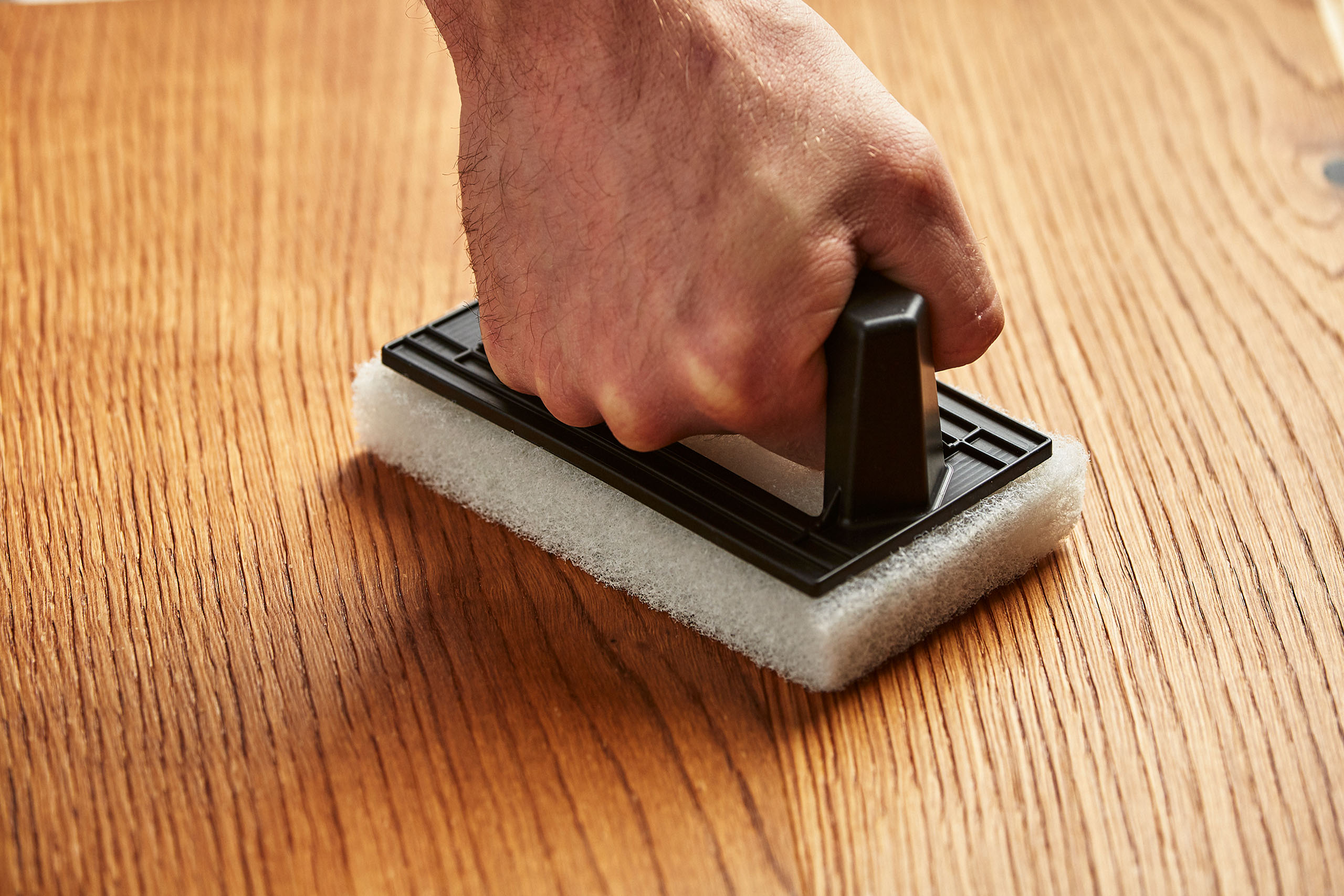
  • Efter 15 min. poleres olien ned i træet med beige polerpad. Fortsæt poleringen, til træet er mættet.
  • Efterpolér gulvet med rene bomuldsklude, inden der fortsættes til næste område. Herefter må gulvet ikke virke vådt, og der må ikke ligge overskydende olie tilbage på overfladen.
  • Fortsæt efter ovennævnte metode, til hele gulvet er behandlet.
  • Fortsæt efter ovennævnte metode, til hele gulvet er behandlet.
  • Gulvet er forhærdet efter 24 timer ved 20°C og gennemhærdet efter 5-7 dage, hvorefter gulvtæpper mm. kan genplaceres på gulvet.
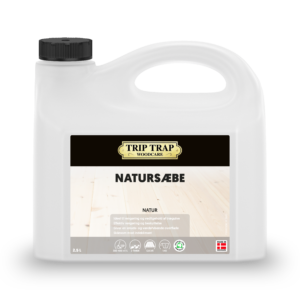
  • Udsæt ikke overfladen for vand eller rengøring de første 7 dage, hvor olien hærder. Efter 7 dage kan gulvet med fordel rengøres med WOCA Natural Soap, som tilfører overfladen ekstra beskyttelse.

    ERROR: ORA-00907: missing right parenthesis