Produkter
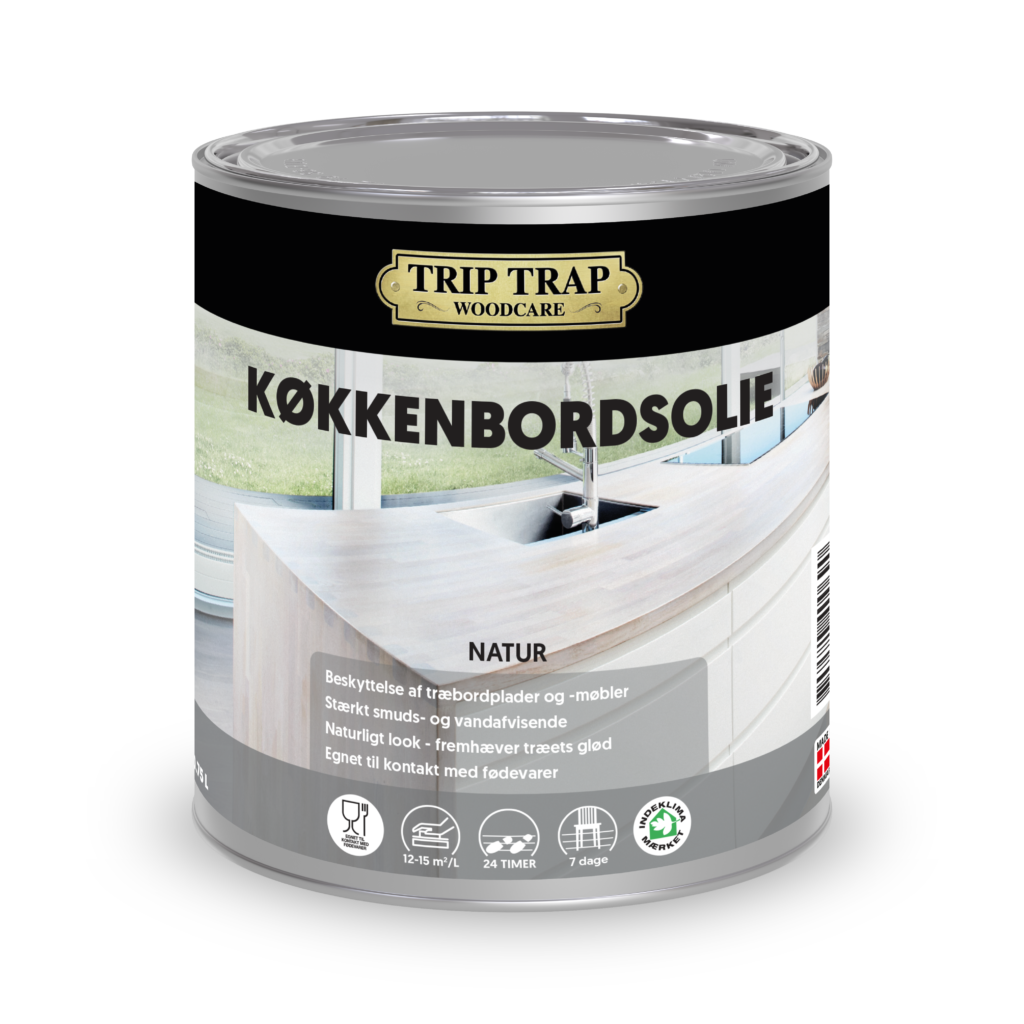
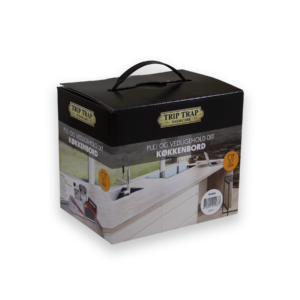
Køkkenbordsolie

Køkkenbordsolie

Varenummer: 527713 EAN: 5708524400690 527813 EAN: 5708055024792 527814 EAN: 5708524400706 527815 EAN: 5706420025870

Pleje og beskyttelse af træbordplader og møbler

  • Glas & Gaffel certificeret (for kontakt med fødevarer)
  • Indeholder naturlige olier
  • Fremhæver træets naturlige glød
  • Stærkt smuds- og vandafvisende
  • Kan anvendes på alle træsorter
  • Indeklimamærket

Farver

*Træprøven er vist på eg

Natur
Hvid
Mahogni
Sort

Emballagestørrelse

Certificeringer

Food Contact Material (FCM)

The glass and fork symbol indicates that the product complies with the requirements for Food Contact Materials (FCM) according to Regulation (EC) No 1935/2004, confirming it is safe to come into direct or indirect contact with food.

The manufacturer must document that the surface treatment does not release harmful substances when in contact with food. To ensure this high level of food safety laboratory tests are carried out by an independent third party.

So, look for the FCM label when treating wooden surfaces such as kitchen and dining tables.
DIN EN 16516  emission test
EN 71-3
European standard ensuring that materials do not release toxic substances in amounts harmful to children. Particularly relevant for materials such as toys, kitchen utensils, worktops and furniture.
Danish Indoor Climate Labelling
Danish Interior Climate Labelling is a voluntary labelling system for products and materials which can document the effect of degassing. Indoor climate labelled materials are a natural component in sustainable construction, where a good indoor air quality contributes to social sustainability.
Emission Class A+
The French labeling system is a mandatory classification of materials, such as floor treatment products, based on their VOC emissions to indoor air. A+ is the highest rating, indicating improved indoor air quality with very low emissions.
Bio-Based ASTM 6866
Biobased Carbon Content ASTM D6866-22 is an international standard method utilized for product testing. The result is reported as % Biobased Carbon. This indicates the percentage carbon from ‘natural’ (plant or animal by-product) sources.
DiBt
DIBt is a German institute that tests and issues technical approvals for building materials.The aim is to improve the working climate for floor installers whilst ensuring a safe indoor air quality for the final consumer.
Environmental Product Declaration (EPD)
Environmental Product Declaration (EPD) supports greater transparency and documented sustainability. EPDs present verified data on a product’s environmental impact throughout its entire life cycle, based on recognized standards and third-party verification.
Environmental Product Declaration (EPD)
Environmental Product Declaration (EPD) supports greater transparency and documented sustainability. EPDs present verified data on a product’s environmental impact throughout its entire life cycle, based on recognized standards and third-party verification.
DiBt
DIBt is a German institute that tests and issues technical approvals for building materials.The aim is to improve the working climate for floor installers whilst ensuring a safe indoor air quality for the final consumer.
Danish Indoor Climate Labelling
Danish Interior Climate Labelling is a voluntary labelling system for products and materials which can document the effect of degassing. Indoor climate labelled materials are a natural component in sustainable construction, where a good indoor air quality contributes to social sustainability.
Emission Class A+
The French labeling system is a mandatory classification of materials, such as floor treatment products, based on their VOC emissions to indoor air. A+ is the highest rating, indicating improved indoor air quality with very low emissions.
DIN EN 16516  emission test
Bio-Based ASTM 6866
Biobased Carbon Content ASTM D6866-22 is an international standard method utilized for product testing. The result is reported as % Biobased Carbon. This indicates the percentage carbon from ‘natural’ (plant or animal by-product) sources.
Food Contact Material (FCM)

The glass and fork symbol indicates that the product complies with the requirements for Food Contact Materials (FCM) according to Regulation (EC) No 1935/2004, confirming it is safe to come into direct or indirect contact with food.

The manufacturer must document that the surface treatment does not release harmful substances when in contact with food. To ensure this high level of food safety laboratory tests are carried out by an independent third party.

So, look for the FCM label when treating wooden surfaces such as kitchen and dining tables.
EN 71-3
European standard ensuring that materials do not release toxic substances in amounts harmful to children. Particularly relevant for materials such as toys, kitchen utensils, worktops and furniture.
Environmental Product Declaration (EPD)
Environmental Product Declaration (EPD) supports greater transparency and documented sustainability. EPDs present verified data on a product’s environmental impact throughout its entire life cycle, based on recognized standards and third-party verification.
DiBt
DIBt is a German institute that tests and issues technical approvals for building materials.The aim is to improve the working climate for floor installers whilst ensuring a safe indoor air quality for the final consumer.
Danish Indoor Climate Labelling
Danish Interior Climate Labelling is a voluntary labelling system for products and materials which can document the effect of degassing. Indoor climate labelled materials are a natural component in sustainable construction, where a good indoor air quality contributes to social sustainability.
Emission Class A+
The French labeling system is a mandatory classification of materials, such as floor treatment products, based on their VOC emissions to indoor air. A+ is the highest rating, indicating improved indoor air quality with very low emissions.
DIN EN 16516  emission test
Bio-Based ASTM 6866
Biobased Carbon Content ASTM D6866-22 is an international standard method utilized for product testing. The result is reported as % Biobased Carbon. This indicates the percentage carbon from ‘natural’ (plant or animal by-product) sources.
Food Contact Material (FCM)

The glass and fork symbol indicates that the product complies with the requirements for Food Contact Materials (FCM) according to Regulation (EC) No 1935/2004, confirming it is safe to come into direct or indirect contact with food.

The manufacturer must document that the surface treatment does not release harmful substances when in contact with food. To ensure this high level of food safety laboratory tests are carried out by an independent third party.

So, look for the FCM label when treating wooden surfaces such as kitchen and dining tables.
EN 71-3
European standard ensuring that materials do not release toxic substances in amounts harmful to children. Particularly relevant for materials such as toys, kitchen utensils, worktops and furniture.
Environmental Product Declaration (EPD)
Environmental Product Declaration (EPD) supports greater transparency and documented sustainability. EPDs present verified data on a product’s environmental impact throughout its entire life cycle, based on recognized standards and third-party verification.
DiBt
DIBt is a German institute that tests and issues technical approvals for building materials.The aim is to improve the working climate for floor installers whilst ensuring a safe indoor air quality for the final consumer.
Danish Indoor Climate Labelling
Danish Interior Climate Labelling is a voluntary labelling system for products and materials which can document the effect of degassing. Indoor climate labelled materials are a natural component in sustainable construction, where a good indoor air quality contributes to social sustainability.
Emission Class A+
The French labeling system is a mandatory classification of materials, such as floor treatment products, based on their VOC emissions to indoor air. A+ is the highest rating, indicating improved indoor air quality with very low emissions.
DIN EN 16516  emission test
Bio-Based ASTM 6866
Biobased Carbon Content ASTM D6866-22 is an international standard method utilized for product testing. The result is reported as % Biobased Carbon. This indicates the percentage carbon from ‘natural’ (plant or animal by-product) sources.
Food Contact Material (FCM)

The glass and fork symbol indicates that the product complies with the requirements for Food Contact Materials (FCM) according to Regulation (EC) No 1935/2004, confirming it is safe to come into direct or indirect contact with food.

The manufacturer must document that the surface treatment does not release harmful substances when in contact with food. To ensure this high level of food safety laboratory tests are carried out by an independent third party.

So, look for the FCM label when treating wooden surfaces such as kitchen and dining tables.
EN 71-3
European standard ensuring that materials do not release toxic substances in amounts harmful to children. Particularly relevant for materials such as toys, kitchen utensils, worktops and furniture.
Produktdetaljer

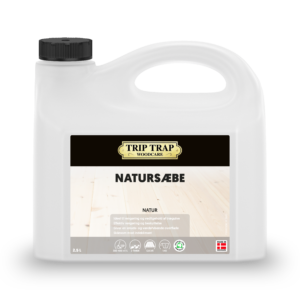
Trip Trap Køkkenbordsolie er en lufthærdende olie, der trænger dybt ind i træet og giver en stærk, vand- og smudsafvisende overflade. Den fremhæver træets naturlige glød og efterlader en frisk, naturlig finish. Olien er nem at arbejde med, yder høj modstandsdygtighed og er godkendt til kontakt med fødevarer (Hvid & Natur). Den kan bruges på både ubehandlede, ny-slebne og tidligere oliebehandlede træoverflader.

VOC:
295 g/l, VOC-grænseværdi (A/i (OB)): 500 g/l.
Massefylde:
0.90-0.95 g/ml.
Holdbarhed:
3 år
Påføringstemperatur:
+15-30°C og ca. 50 % luftfugtighed.
Rækkeevne:
12-15 m²/L
Colour product:
Natur
Emballagestørrelser:
750 ml
VOC:
115 g/l, VOC-grænseværdi (A/i (OB)): 500 g/l.
Massefylde:
0.90-0.95 g/ml.
Holdbarhed:
3 år
Påføringstemperatur:
+15-30°C og ca. 50 % luftfugtighed.
Rækkeevne:
12-15 m²/L
Colour product:
Sort
Emballagestørrelser:
750 ml
VOC:
115 g/l, VOC-grænseværdi (A/i (OB)): 500 g/l.
Massefylde:
0.90-0.95 g/ml.
Holdbarhed:
3 år
Påføringstemperatur:
+15-30°C og ca. 50 % luftfugtighed.
Rækkeevne:
12-15 m²/L
Colour product:
Hvid
Emballagestørrelser:
750 ml
VOC:
120 g/l, VOC-grænseværdi (A/i (OB)): 500 g/l.
Massefylde:
0.90-0.95 g/ml.
Holdbarhed:
3 år
Påføringstemperatur:
+15-30°C og ca. 50 % luftfugtighed.
Rækkeevne:
12-15 m²/L
Colour product:
Mahogni
Emballagestørrelser:
750 ml

Husk altid at foretage prøveopstrøg på et mindre synligt sted for kontrol af overfladens og produktets forenelighed.

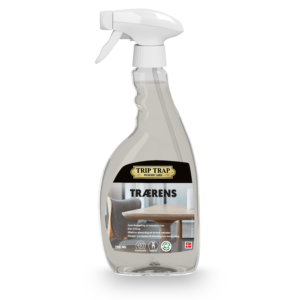
  • Overfladen slibes og støvsuges grundigt, hvorefter den rengøres med Trip Trap Trærens. Træet skal være helt tørt, før olien påføres.
  • Rør olien grundigt op og påfør et jævnt, dækkende lag medminutter. pensel. Lad olien trænge ind i træet i max 20-30
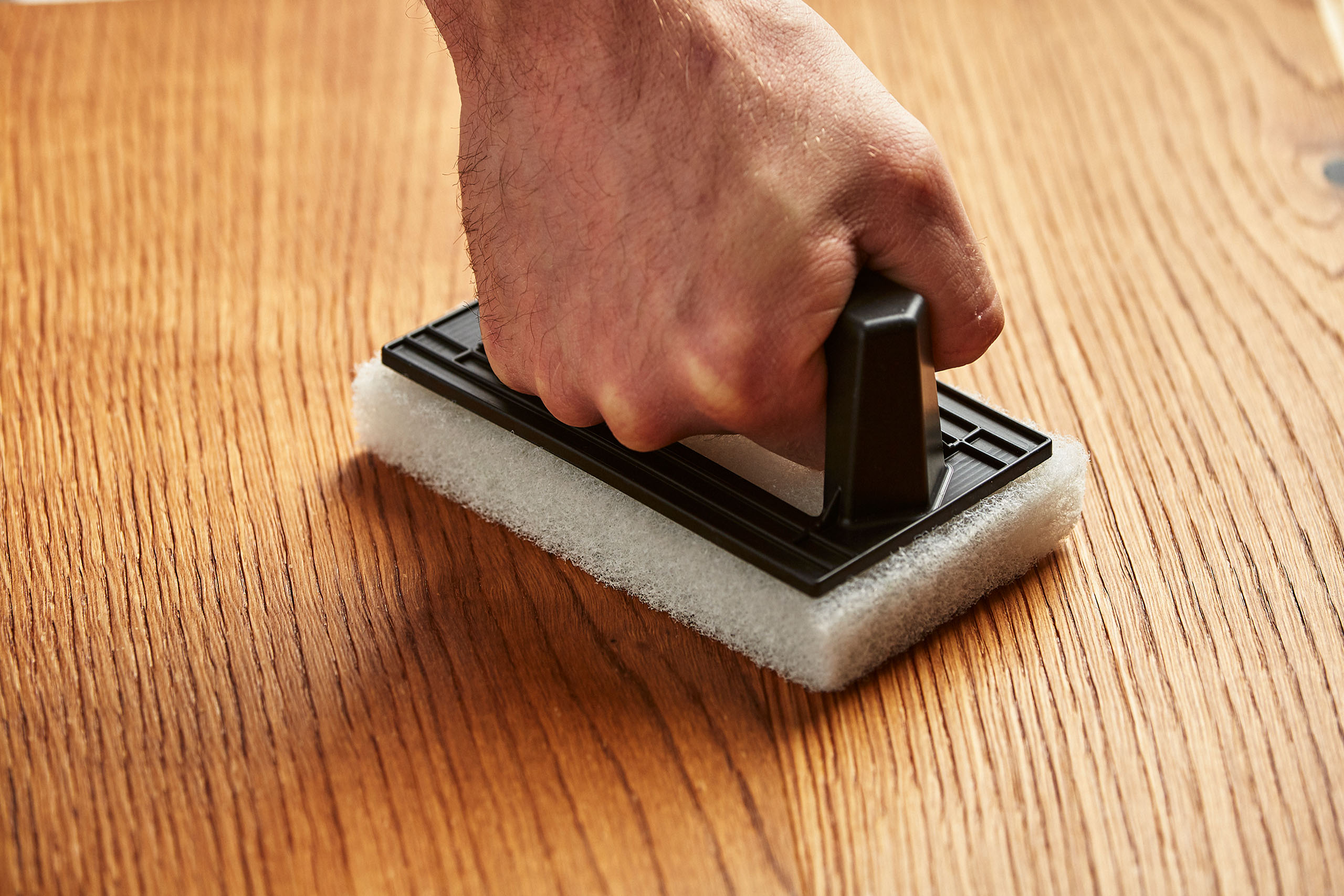
  • Polér derefter overfladen i træets længderetning med en Trip Trap rød håndskrubber og tør al overskydende olie af med en fnugfri bomuldsklud.
  • Gentag behandlingen 2–3 gange efter behov, og sørg altid for at fjerne overskydende olie. Overfladen skal tørre mindst 4 timer mellem hvert lag.
  • Lad træet tørre i minimum 24 timer efter sidste behandling, før det tages i brug.